How to Choose Carpet for High-Traffic Areas
Choosing carpet for a busy home means balancing durability, comfort, and design. Hallways, stairs, family rooms, and living spaces face repeated foot traffic, pets, children, furniture movement, and spills. The right carpet should handle daily life while continuing to look inviting.
In this article, we’ll cover carpet construction, fibre types, density, colours, patterns, and the best options for different areas of your home, helping you make a confident choice for your space.
Read the full guide to discover how to choose carpet that looks beautiful and performs well for years to come.
Quick Summary:
Choosing carpet for high-traffic areas is about balancing durability, comfort, appearance, and maintenance. Construction, fibre, density, colour, and pattern all influence how carpet handles everyday use. Loop, cut, and cut-and-loop styles offer different benefits, while nylon and wool blends provide resilience. By matching carpet to each room’s traffic level and following a consistent care routine, you can create a home that feels comfortable, looks refined, and performs well over time.
What Makes a Carpet Suitable for High-Traffic Areas?
Busy spaces wear carpets down. The same paths get walked daily, furniture gets moved around, and kids or pets add extra stress. Fibres gradually crush, dirt builds up, and clear traffic patterns start to show.
Four factors deserve attention: construction, fibre, density, and appearance. Looking at them together shows long-term performance better than just going by softness or colour.
Why Wear Resistance Matters
- Daily foot traffic
- Furniture movement
- Pets and children
- Maintaining appearance
Hallways and stairs get a lot of foot traffic, while family spaces add furniture movement, pets, spills, and entertaining. A suitable carpet should resist wear and recover from compression. Read our helpful guide on what to look for in a high-quality area rug.
Performance Beyond Softness
- Durability
- Compression recovery
- Easy maintenance
Softness does not automatically indicate durability. Look for resilience, suitable density, manageable maintenance, and the feel you want underfoot.
Understanding Carpet Construction
The way carpet fibres are constructed affects how they respond to traffic. Loop pile, cut pile, and cut-and-loop designs each have advantages, so the best option depends on the room and your priorities.
Loop Pile Carpet
- Excellent durability
- Resists crushing
- Well suited to busy areas
A loop pile carpet keeps fibres in loops, creating a structured surface that can resist crushing. It is often practical for hallways, stairs, and other heavily used spaces.
Cut Pile Carpet
- Softer underfoot
- Comfortable living spaces
- Multiple styles
A cut pile carpet has fibres cut at the surface, creating a softer, luxurious feel. It can work well in family rooms and bedrooms when fibre and density suit the level of use.
Cut and Loop Designs
- Combines texture and performance
- Helps disguise footprints
- Adds visual interest
Cut and loop construction combines fibre heights to create texture and pattern. The variation can help disguise footprints and minor wear while adding character.
Choosing the Right Carpet Fibre
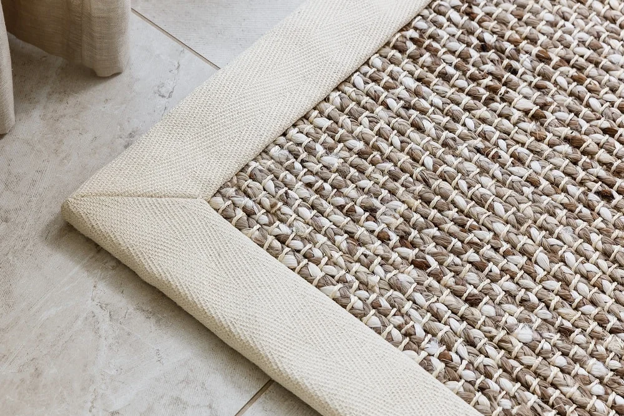
Fibre is central to carpet performance. Consider endurance, comfort, maintenance, appearance, and budget together rather than assuming one fibre suits every room.
Nylon
- Excellent durability
- Strong wear resistance
- Well suited to active households
Nylon carpet is known for recovering from compression and standing up to frequent use, making it a strong choice for active households.
Wool and Wool Blends
- Natural beauty
- Excellent strength
- Premium appearance
- Long-lasting performance
Wool offers natural softness, resilience, and distinctive beauty. A wool blend carpet can balance performance, comfort, and premium design.
Polyester and Other Synthetic Fibres
- Soft feel
- Good colour retention
- Attractive value
Polyester offers softness, colour variety, and value. It can suit moderate-traffic rooms where stain resistance and easy maintenance matter.
Why Carpet Density Matters
Density simply means how closely fibres are packed. A denser carpet generally provides more surface support and can better withstand repeated traffic.
Understanding Density
A carpet can look thick without being dense. Consider density alongside fibre and construction rather than judging quality by pile height alone.
How Density Affects Longevity
Good density can help fibres resist compression and recover after repeated use, particularly in hallways, stairs, and other concentrated-traffic areas.
Balancing Comfort and Performance
The goal is balance: enough resilience for the room while retaining the softness and appearance you prefer.

Choosing Colours and Patterns That Hide Everyday Wear
Colour and pattern affect how carpet looks between cleanings. Even luxury carpets can appear worn if every footprint or mark is obvious.
Mid-Tone Colours
Medium tones can disguise minor dirt and wear without making dust and lint as visible as some very dark colours.
Multi-Tonal Patterns
Subtle colour variations can break up traffic marks and everyday mess while adding depth.
Textured Finishes
Texture can disguise footprints and vacuum marks while adding visual interest without bold patterns.
What to Consider with Very Light or Very Dark Carpets
Light carpet can feel spacious but show spills more readily. Dark carpet can feel dramatic while making dust, lint, and pet hair more noticeable. Choose according to your household.
Best Carpet Choices for Different High-Traffic Spaces
Traffic varies throughout a home, so choosing room by room can give you better results than using one product everywhere.
Hallways
- Constant foot traffic
- Repeated traffic patterns
- Durability priorities
Carpet for hallways should handle repeated traffic and concentrated wear. Resilient fibres, suitable density, and crush resistance can help maintain its appearance.
Stairs
- Compression
- Safety
- Appearance retention
Stairs experience concentrated compression. When choosing the best carpet for stairs, consider resilience, appearance retention, and installation.
Family Rooms
- Children
- Pets
- Entertaining
- Comfort
Family rooms need comfort and performance. Children, pets, and entertaining make resilient fibres, practical colours, and easy maintenance valuable. Read our guide on choosing wall-to-wall carpeting or area rugs to see what’s best suited for your needs.
Bedrooms
- Lower traffic
- Greater flexibility
- Comfort
Bedrooms generally experience less traffic, giving you more freedom to prioritize softness, colour, texture, and luxury.
Caring for Carpet in Busy Homes
Even durable residential carpet benefits from regular care, which helps reduce abrasive dirt and preserve appearance.
Regular Vacuuming
Vacuum according to household activity, giving high-use areas more frequent attention.
Prompt Spill Cleanup
Deal with spills quickly and blot rather than rubbing. Follow the manufacturer’s care instructions.
Professional Cleaning
Professional cleaning can remove embedded soil that vacuuming cannot reach. Frequency depends on traffic and the manufacturer’s recommendations.
Furniture Rotation and Carpet Protection
Move furniture periodically where practical, and use entry mats to reduce tracked-in dirt and moisture.
Can You Have Both Durability and Style?
You do not have to choose between durability and design. Modern collections offer sophisticated colours, textures, patterns, and fibres for different levels of activity.
Today’s Design Options
Performance-focused carpet is available in refined designs for traditional, transitional, and contemporary interiors.
Coordinating with Your Décor
Consider furniture, wall colours, natural light, and overall style. The floor should support the room’s design.
Finding the Right Balance
The best choice reflects how you use the space. Prioritize performance where traffic is highest, then use colour, texture, and fibre to create the aesthetic you want.
Find the Perfect Carpet for Your Home at Tapis Normandy
Visit the Tapis Normandy showroom in Montreal to compare fibres, constructions, textures, and colours in person. Flooring specialists can help you assess traffic levels, lifestyle, comfort, and design preferences.
Contact Tapis Normandy to request a free online quote and find carpet that looks beautiful while performing well for years to come.
Frequently Asked Questions About Choosing Durable Carpets
What type of carpet is most durable for high-traffic areas?
Nylon and quality wool or wool-blend carpets are strong options, while construction and density also affect performance.
Is loop pile or cut pile better for high-traffic areas?
Loop pile is often well suited to busy areas because it can resist crushing. Quality cut pile can also perform well when matched to the room’s traffic.
What carpet is best for stairs?
Choose resilient carpet that handles concentrated traffic and maintains its appearance. Installation matters for safety and long-term performance.
Does carpet density make a difference?
Yes. Greater density can help resist compression, but it should be considered alongside fibre and construction.
What colour carpet hides dirt and wears best?
Medium and multi-tonal colours are practical choices, while subtle patterns and textures can disguise everyday marks.
Is wool carpet suitable for a busy home?
Yes. Wool is naturally resilient and can recover from compression when quality and construction suit the traffic level.
How can I make the carpet last longer?
Regular vacuuming, prompt spill cleanup, professional cleaning, entry mats, and sensible furniture placement can extend carpet life.